Introduction
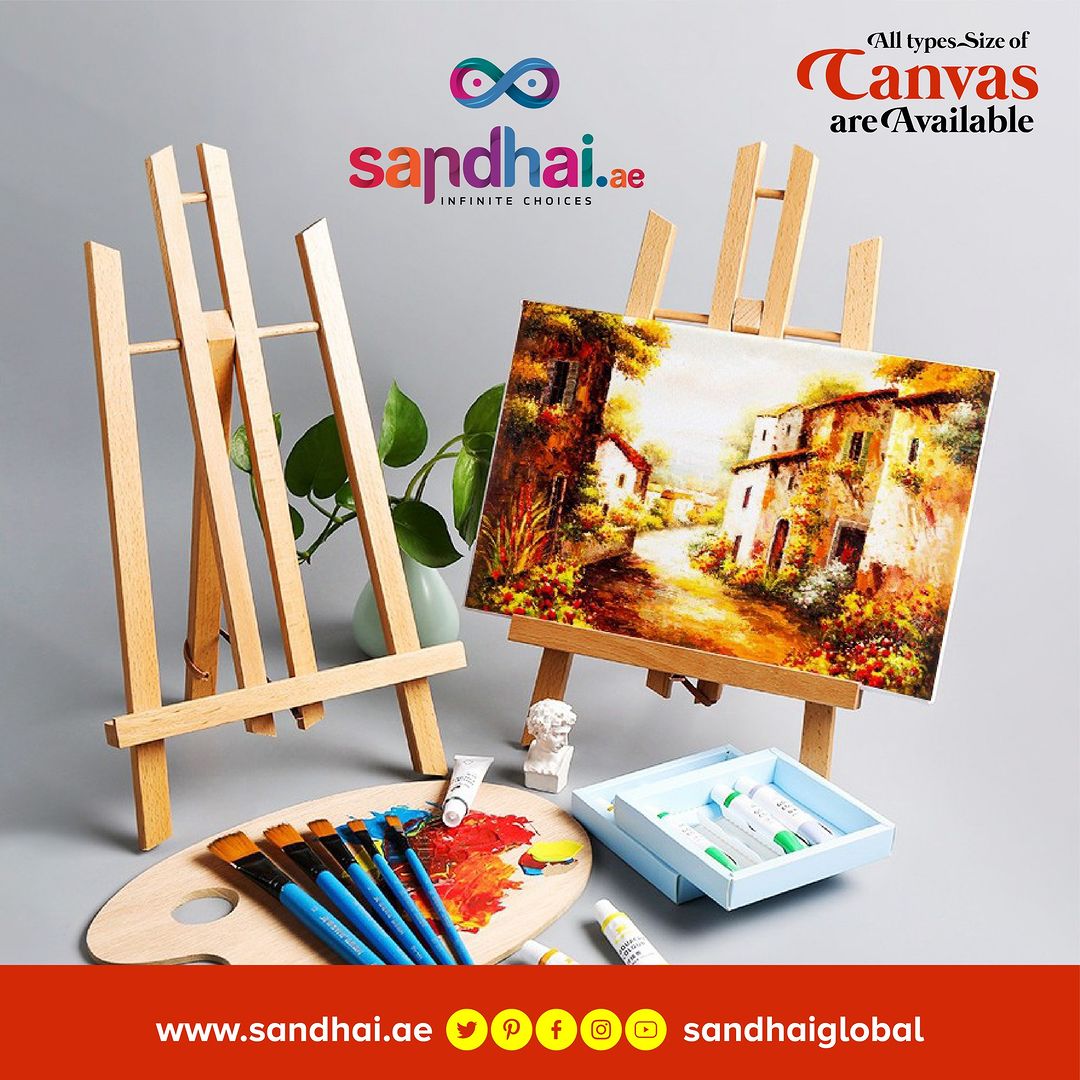
Selecting the right materials can transform your creative ideas from rough sketches into works you’re proud to display. Whether you’re reaching for canvases, Custom size canvas, big canvas, acrylic paint, water color, oil paint, gouache paint, finger paint, or drawing pencils, the supplies you choose make all the difference. Each art material brings its own colors, textures, and personality, all shaping the outcome of your art project. With many options and special offers available at all times, knowing where to start is the first step toward creating art that stands out.
Understanding Your Art Project Needs
Every project starts with a vision, but taking a moment to assess what you want to make will help you choose the best supplies.
- Size: Think about how big your piece should be. Is it something you’ll hang on a wall or display on a desk?
- Medium: Your choice of paint—acrylic, water color, oil paint, gouache paint, or finger paint—impacts everything from texture to cleanup.
- Intended Location: Will it stay indoors, or will it be displayed outside where conditions vary?
- Aesthetic: Do you want bold, vibrant colors, or something more subtle and layered?
Artists, amateur artists, and learners all benefit from weighing these factors. Knowing your goals helps narrow your options for materials and sets you up for success.
Project Size and Canvas Selection
When choosing a canvas, size gives your work presence and defines your workspace. Standard canvases suit most artwork, but sometimes you need more room for big ideas.
For unique displays or oversized art, a Custom size canvas provides the perfect fit. For example, if you want to go large, the Custom Made Canvas 100 x 200 cm is made for artists who need that expansive surface. This flexibility helps you work on murals, wide panoramas, or multi-panel compositions.
Big canvas choices add new energy to your process — there’s a special excitement in filling a massive space, and even amateur artists can benefit from having room to make bold strokes. For a range of ready-to-use options, you can also buy quality canvas online to match your exact project size.
Medium Matters: Paint Types and Their Ideal Uses
Choosing your paint is like picking the voice for your art project. Each type creates a distinct effect:
- Acrylic paint: Versatile, quick-drying, and beginner-friendly. It delivers strong color and sticks to lots of surfaces. The Funbo 22 Pcs Acrylic Color Set offers a full spectrum for creative play and layering.
- Water color: Transparent, soft, great for gentle washes or subtle backgrounds. For full creative control without a mess, try the Finenolo Water Color Set 12ml x 12clr.
- Oil paint: Perfect for textured, rich, slow-blended work. Takes longer to dry, allowing for adjustments.
- Gouache paint: (Gouache) Opaque, vibrant, and easy to control—ideal for graphic or illustrative pieces.
- Finger paint: Fun, tactile, and messy, ideal for experiments or early learners.
Think about which paint matches your vision and skill level. Each brings you closer to the finished piece you imagine.
Top Material Considerations for Artists
Selecting art materials isn’t just about what’s pretty or popular. It’s the unseen details that can make an artwork last or bring a technique to life.
- Durability: Will your piece withstand time, humidity, or sunlight?
- Surface Texture: Does your paint behave well on it?
- Paint Compatibility: Not all paints work on all surfaces—some need smoothness, others a bit of tooth for grip.
- Archival Quality: Essential for work meant to last decades.
- Ease of Use: Materials should help you, not frustrate you.
Professional results come from balancing these factors, making each supply count toward your finished vision.
Surface Texture and Paint Compatibility
The way your brush glides or drags depends on surface texture and paint choice.
- Acrylic paint excels on textured surfaces. For instance, Mont Marte Titanium White Acrylic 1 Ltr stands out for both purity and coverage, ideal for building layers or covering textured linen.
- Water color needs smooth, absorbent paper for crisp washes.
- Oil paint benefits from primed, sturdy canvases—thicker fabric holds the weight and oil.
This interplay impacts color, opacity, and technique. Matching paint and surface guarantees smoother sessions (and fewer headaches).
Archival Quality and Longevity
Archival quality means choosing materials designed to last. Fading, yellowing, or warping all ruin hard work. Look for:
- Acid-free canvases and papers
- High-quality, lightfast pigments
- Well-constructed stretchers for big canvases or Custom size canvas
These qualities separate student supplies from professional results.
Long-term display, gallery submissions, or gifts demand you use materials built to stand the test of time. Professional artists swear by archival options, but learners benefit too: great materials encourage better practice.
Extra Tips for Beginners and Experimenters
Every artist starts somewhere, and the secret is to play, test, and learn.
- Try different drawing pencils: Each grade and style brings a new mark.
- Experiment with finger paint: Break free from brushes and see how colors blend with just your hands.
- Switch up your surface: Canvases, cardboard, wood panels, even colored paper (like the ones pictured above) all give unique effects.
- Keep old work: Watching your progress shapes your style and builds confidence.
Art is a journey—let your materials guide you. Enjoy the mess, make mistakes, and document your favorites.
Conclusion
Picking the right material is part science, part personal preference. Pay close attention to project size, and don’t be afraid to try a big canvas or a Custom size canvas for bold ideas. Match your paint—whether it’s acrylic paint, water color, oil paint, gouache paint, or finger paint—to the look and feel you want.
Remember, every choice—from drawing pencils to premium acrylic sets—impacts your creative journey. Make each one count, and let your next art project reflect both your vision and the best supplies you can pick. With thoughtful selections, any artist, amateur artist, or learner can turn materials into memorable masterpieces.